Key takeaway
GPDoc does not need to take over every Google Workspace workflow. It gives technical teams a way to import Google Docs or Slides content, work in open files, and export back when collaborators need those formats.
The problem is not Google Docs
Google Docs and Slides are useful for broad collaboration. The problem starts when technical content needs more structure than a shared document can comfortably provide.
Engineering specs need code, tables, diagrams, math, and version review. Research notes may need notebooks and reproducible examples. Launch content may need docs, slides, and a published site from the same source.
GPDoc is designed for that technical source workflow.
Keep compatibility while changing the source model
The adoption path should be practical:
- Import existing Google Docs or Google Slides content when it helps start the work.
- Edit and review the technical source in GPDoc.
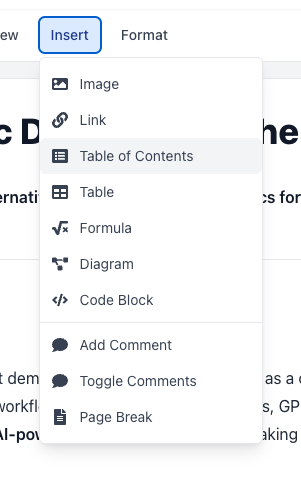
- Use Markdown, diagrams, tables, notebooks, and slides from one workspace.
- Export back when a stakeholder needs a Google format.
That lets a team keep working with broader collaborators without making closed document formats the only place the source lives.
Where GPDoc is a better fit
GPDoc is useful when the content needs to behave more like source:
- API guides and technical specs.
- Release notes with links to engineering changes.
- Research writeups with math, code, and tables.
- Product launch docs that become slides and web pages.
- Training content that mixes narrative, notebooks, and diagrams.
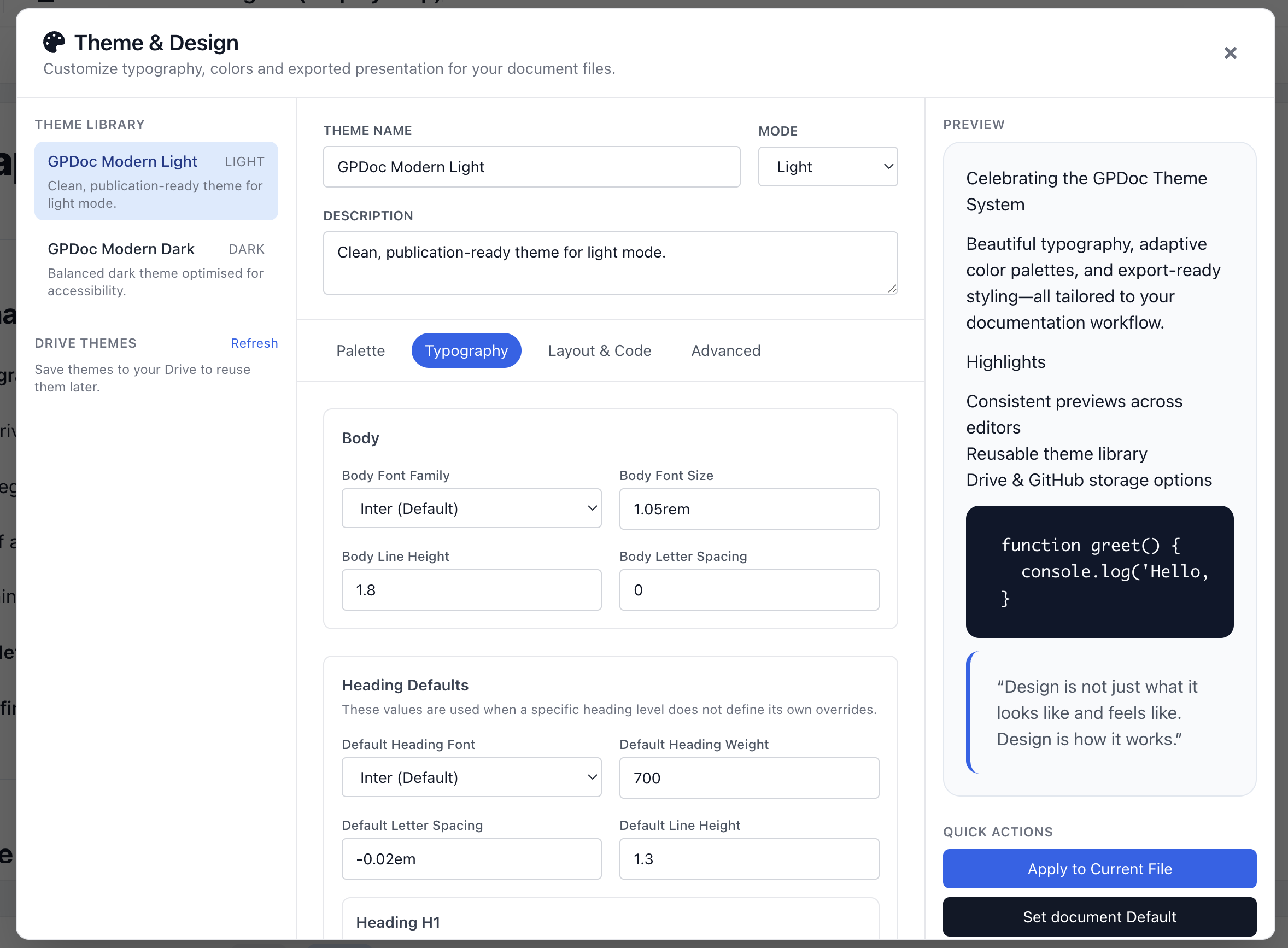
The difference is not that every document should become Markdown. The difference is that high-value technical work should be easy to inspect, review, export, and publish from a durable source file.
Review and publishing are part of the value
Technical teams already use reviews for code. GPDoc brings a similar discipline to documents, slides, notebooks, and diagrams. Changes can be inspected, comments can stay close to the content, and published output can trace back to the source.
That matters when the document is not disposable. A customer-facing guide, a compliance packet, a launch deck, or an engineering note should not depend on a manual copy and paste path.
A simple decision rule
Use Google Docs or Slides when the main job is broad collaborative editing. Use GPDoc when the work needs open files, technical content, version review, or publishing from source.
Most teams will use both. GPDoc gives them a clearer source of truth for the technical work and a compatibility path for everyone else.
For setup, start with connect integrations or publishing exports.
Related reading
Read more
Local-first workspaces for technical teams
Why GPDoc keeps open source files at the center of documents, notebooks, slides, scripts, and publishing.
Read articleTechnical docs with math, diagrams, and reusable structure
How GPDoc helps teams keep LaTeX, Mermaid diagrams, tables, and code close to the document source.
Read articleOpen formats for a practical productivity stack
Why GPDoc uses Markdown and structured files for technical work that needs review, automation, and publishing.
Read article